


Wild camping is one of the most rewarding ways to experience the outdoors, whether you're pitching up in the Scottish Highlands, the Lake District or a quiet corner of Scandinavia. But with that freedom comes responsibility. Choosing a wild camping pitch isn't just about finding a flat spot with a nice view. It's about respecting the land, the wildlife and the people who live and work there. Here's how to pick a pitch that leaves no trace and keeps wild places wild.
Know the access rules before you go
In the UK, wild camping is only legal in Scotland, where the Scottish Outdoor Access Code allows responsible camping on most unenclosed land. In England and Wales, it's generally not permitted without the landowner's permission, with a few exceptions such as parts of Dartmoor. In Scandinavia, the right to roam – allemannsretten in Norway, allemansrätten in Sweden – lets you camp on uncultivated land for a night or two, provided you keep at least 150 metres from houses and cabins, stay away from farmland and move on if asked.
Before you even think about a pitch, check local rules. National parks, nature reserves and private estates often have their own restrictions. If in doubt, ask a landowner or use a designated campsite. Wild camping is a privilege, not a right, and it only continues if we all respect the boundaries.
Pick a pitch that leaves no trace
The golden rule of wild camping is to camp on durable surfaces. Rocky ground, gravel, sand or existing bare patches are ideal. Avoid soft, fragile vegetation like moss, heather, lichen or alpine flowers – a single night under a tent can kill them, and they may take years to recover.
If you're in an area with obvious previous pitches, use one of those instead of creating a new one. Keep your group small – two or three tents maximum – and don't spread out. Pitch late in the evening and leave early in the morning to minimise your impact. And never dig trenches or modify the ground. A freestanding tent is best; if you must use pegs, remove them carefully and fill any holes.
Respect wildlife and livestock
Wild places are home to creatures that don't appreciate surprise guests. Nesting birds, deer, reindeer, foxes and even insects can be disturbed by a bright tent and human scent. In spring and early summer, avoid areas with tall grass or dense shrubs where birds may be nesting. In Scandinavia, reindeer calving grounds are particularly sensitive – keep well away and never approach animals.
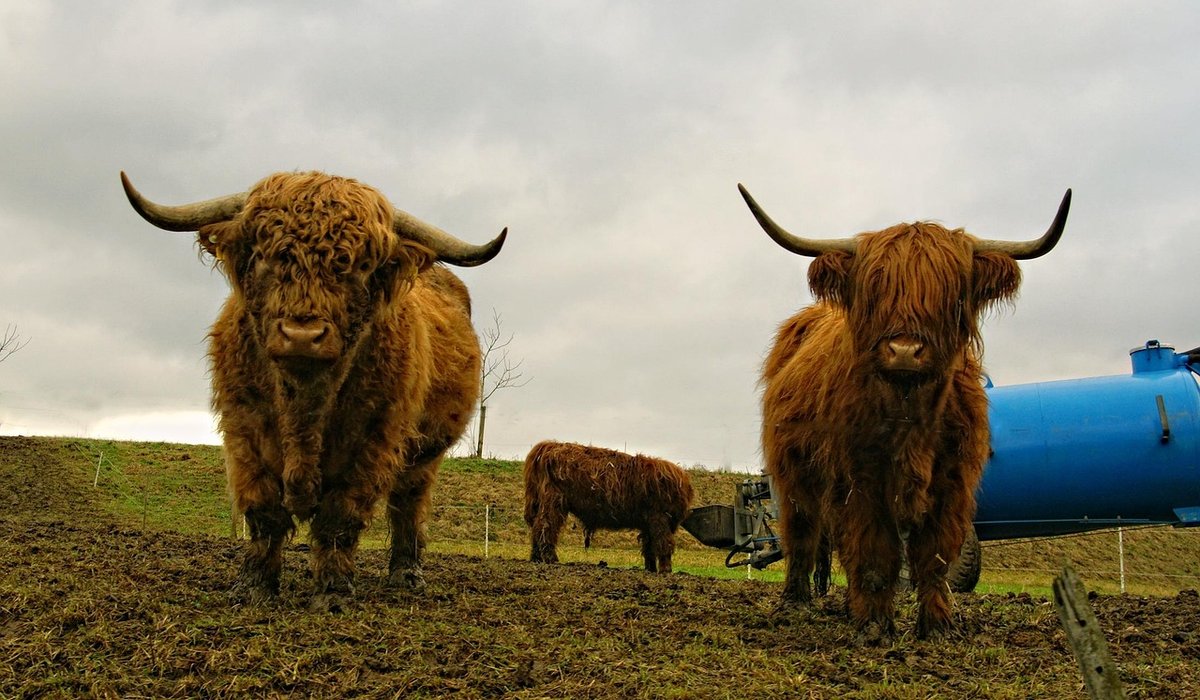
Livestock are another consideration. Sheep, cattle and horses graze on open land in the UK and Scandinavia. Camp at least 100 metres from them, and never feed or corner them. Ticks are common in long grass, so check yourself thoroughly after walking. And remember: if wildlife changes its behaviour because of you – moving away, acting agitated – you're too close.
Protect water sources and manage waste
Water is life, and it's easily contaminated. Camp at least 50 metres from streams, rivers, lakes and tarns. That way, any waste, soap or food scraps won't seep into the water. Use biodegradable soap sparingly, and never wash directly in a water source – carry water away in a bag or pot.
Human waste is the biggest issue. If there's no toilet, dig a hole 15–20 centimetres deep, at least 50 metres from water, and bury it. Carry out all toilet paper in a sealed bag – it doesn't decompose as quickly as you think. In some fragile environments, like alpine or arctic areas, you may need to pack out all waste. For washing, use a small bowl and scatter the greywater away from water sources. And take all rubbish home, including food scraps, which can attract animals.
Weather, terrain and safety
A responsible pitch is also a safe one. Look for natural shelter from wind and rain, but avoid dead trees or branches that could fall. Never camp in a dry riverbed or a narrow gorge – flash floods can happen fast. In Scandinavia, midges and mosquitoes can be fierce, so choose a breezy spot away from boggy ground. In the UK, check the forecast for wind, rain and temperature drops – a sheltered pitch in a valley may be colder than a ridge.
Pitch on level ground, or slightly sloping so water drains away. Clear the area of sharp stones and twigs that could damage your tent. And always let someone know your plans, especially in remote areas with no phone signal.
Arrive late, leave early, and think like a guest
Wild camping isn't about conquering the landscape – it's about visiting it lightly. Arrive late, leave early, and keep noise to a minimum. Don't build fires unless it's explicitly permitted and safe; use a stove instead. If you do have a fire, use an established fire ring and burn only dead wood, then scatter the ashes and cool the coals completely.
Before you leave, do a final sweep of your pitch. Look for any micro-trash – fruit stickers, bits of foil, hair ties. Leave the spot looking as if you were never there. That's the leave no trace principle in action: take only photos, leave only footprints. If we all do this, wild camping will remain a privilege for generations to come.


Leave a reply