


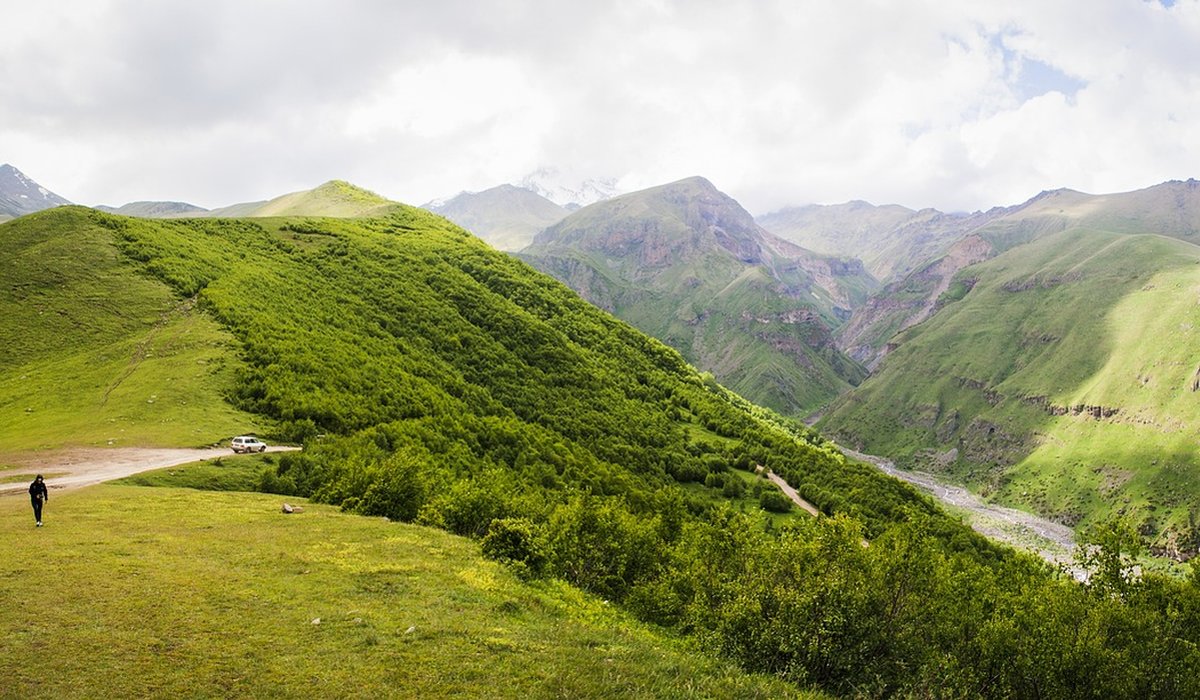
A perfect mountain reflection is one of the great quiet thrills of outdoor photography. Not the dramatic, spray-throwing summit shot, but the version where a whole ridge sits upside down in a black mirror, and you cannot quite tell where the rock ends and the water begins. It looks effortless. It almost never is. Still water, a sensible camera angle and a bit of discipline with your kit are what turn a lucky snapshot into something you would happily hang on the wall.
Why still lochs are so rewarding
Lochs and Nordic lakes behave differently from fast rivers or coastal water. Because many are deep and sheltered by steep-sided glens, the surface can go glassy for a few minutes at a time, even on a breezy day. That shelter is also what makes them photographable: you can be standing in a calm pocket while the valley above you is still gusting. The trade-off is that these places are usually a long walk from the car, often wet underfoot, and cold enough that your hands stop being useful before your camera does. Plan for the walk, not just the shot.
Timing: chasing the window of stillness
The single biggest factor is wind, not light. Light is easier to predict than the surface of a loch, so check the wind forecast first and the cloud forecast second.
- Dawn beats dusk. Overnight, air in the glens cools and drains downhill, and the wind frequently drops in the hour before sunrise. Lakes and lochs are at their most mirror-like in the twenty minutes either side of sunrise, before the valley breeze picks up.
- Late evening can work too, particularly on clear, calm nights, but the water often has more residual chop from the day.
- In Scandinavia, the light is more generous. Under the midnight sun in northern Norway and Sweden, you get golden light at 11pm and again at 2am, and the water is frequently dead calm in the small hours. Set the alarm for the middle of the night and you will often have a whole fjord to yourself.
- After rain, be ready. Showers kill the reflection, but the following lull – especially if the cloud breaks and sunlight rakes across wet rock – is worth waiting out under a hood.
- Seasons matter. Autumn gives you colour and lower sun angles; winter gives you clean snow lines and no midges; late spring gives you long northern twilight.
Get low, and frame the symmetry
A reflection works best when the mirrored element dominates the frame. Crouch or lie down so the camera is close to the water, which stretches the reflection and reduces the amount of distracting mid-ground. Use a spirit level or your camera's electronic level – a horizon that is half a degree off is glaringly obvious when it is duplicated upside down.
Look for a foreground anchor: a boulder, a jetty post, a band of reeds, a patch of pale gravel. It gives the eye somewhere to land and stops the image becoming flat. A vertical composition with the mountain occupying the top third and its reflection the bottom third is a reliable starting point, and a panoramic crop can work beautifully when the range is broad and the water is wide.
Tripod technique and the polarising filter
You cannot reliably hand-hold a calm-water shot. Use a sturdy tripod, set the legs low, and if you are standing in the shallows, push the spikes in and let the water help stabilise it. Weight the centre column with your rucksack on breezy days. Use a two-second timer or a remote release so your finger does not introduce shake. Typical starting settings: ISO 100, f/11, and whatever shutter speed the light gives you, checking the histogram rather than the back-of-camera preview.
This is where most people go wrong with a polariser. The filter's whole job is to cut reflected light, so if you want the strongest possible mirror, rotate it to minimum effect or take it off entirely. Polarising filters are far more useful for cutting glare from wet rocks, deepening a blue sky and revealing weed and stones beneath the surface. On wide lenses, watch for uneven sky darkening – back off the effect slightly. A neutral density filter is the opposite tool: it lets you use a longer shutter speed to smooth gentle ripples into a soft sheen, though for true mirror reflections you want a short enough exposure that the water stays crisp.
Keeping camera gear alive in damp, cold places
Loch-side and Nordic conditions are brutal on electronics. A few habits save a lot of heartache.
- Carry a dry bag inside your rucksack and keep the camera in it while walking, even in light drizzle.
- Never change lenses in the open air. Retreat under a bothy overhang, a tarp or into a car boot, and keep a spare body cap on hand.
- Pack three or four microfibre cloths and a small blower. Water droplets on the front element will flare badly when the sun clips the edge of the frame.
- Watch condensation. Moving from a cold glen into a warm car or tent fogs the lens for twenty minutes. Let gear acclimatise inside a sealed bag before opening it.
- Keep spare batteries and a memory card in an inside pocket near your body – cold drains lithium fast.
- Add silica gel sachets to your bag and dry everything thoroughly at home.
A head net and midge repellent are not camera accessories in the Scottish Highlands in July, but they may as well be.
Where to point the camera
In Scotland, Glen Affric, Loch Maree, Loch Assynt and the quieter corners of Rannoch Moor all offer sheltered water with big hills behind. Buttermere and Crummock Water in the Lake District are classics for a reason, and Llyn Idwal and Llyn Ogwen in Snowdonia deliver on calm mornings. In Norway, the Lofoten islands and the fjord arms around Jotunheimen give you that Scandinavian scale, while Sweden's Rondane and the approaches to Sarek reward those willing to walk in. Wherever you go, arrive early, walk quietly, leave no trace – and let the stillness do the work.


Leave a reply