


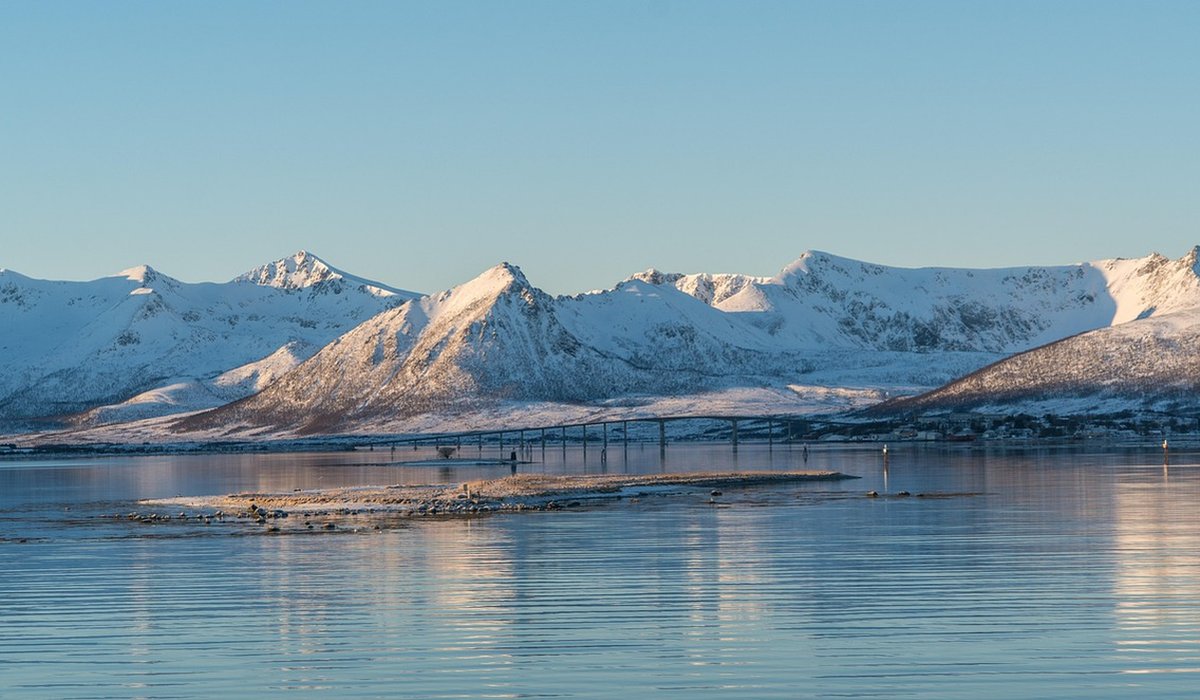
Why the fjords suit UK walkers
Norway's fjord country does the same things British hills do — long valley days, steady climbs, a proper brew stop halfway — but it scales everything up. A modest 600 metres of ascent can put you on a ledge above water a kilometre deep, and a trail that begins in birch woods can end above the tree line with snow still lying in the gullies in July. Add local ferries and boats that treat the water like a bus route, and you have a walking holiday you can string together without hiring a car.
The season runs roughly from late May to early October. June brings enormous light, stubborn snow patches and fewer people on the paths. August brings warmer afternoons, busier trails and midges in the valleys. Mid-September is the quiet sweet spot if you don't mind shorter days.
Getting there, and moving around once you arrive
Direct flights from several UK airports reach Bergen, Ålesund, Stavanger or Trondheim in under two hours, and the North Sea ferry crossings from Newcastle and Aberdeen are a calmer, slower option if you're bringing a vehicle. From the airports, public transport is better than most British walkers expect.
- Express boats link coastal towns quickly and are usually the cheapest way for a foot passenger to cover big distances.
- Local car ferries cross the fjords year-round. Geiranger to Hellesylt, and the crossings along the Nærøyfjord, are the ones walkers use most. Book vehicle space in summer; foot passengers rarely need to.
- Buses connect ferry quays to trailheads, but some summer services run only twice a day, so check timetables before committing to a route.
Cards are accepted almost everywhere, including on board, though a little cash is no bad thing for rural kiosks.
Choosing a route that matches your day
Norwegian trails are graded differently to British ones, and "easy" often means well signed but steep. Be honest about your fitness and about the daylight you have left.
- Half-day classics: Pulpit Rock above Lysefjord (about 8km return, four hours) and the stepped path up Reinebringen in Lofoten (roughly two hours up) both deliver enormous views for moderate effort.
- Full days: the ridge traverse above Åndalsnes takes seven to eight hours and includes genuinely exposed sections, while the Vidden route between Bergen's two best-known peaks is a gentler 13km with a city-and-fjord finale.
- Serious outings: the Trolltunga ledge is a 28km day with over 1,000 metres of ascent — a long, rough walk that deserves proper preparation or a guided group.
- Valley alternatives: the old walking route through the Aurlandsdalen valley offers waterfalls, farm ruins and no technical ground, and can be walked one way using buses at either end.
Trail etiquette: allemannsretten and the small print
Norway's right to roam — allemannsretten — lets you walk on uncultivated land, including private ground, and camp wild responsibly. It comes with obligations, and walkers who ignore them are the ones who cause friction.
- Keep to marked paths where they exist, especially on fragile mountain ground and near cliff edges.
- Camp at least 150 metres from any building or cabin, and only on uncultivated land. Stay no more than a night or two in one spot.
- Light no fires in or near woodland between mid-April and mid-September, and never on bare rock or dry grass.
- Close gates, give grazing sheep and cattle plenty of room, and keep dogs on a lead between April and August.
- Take all litter home, including fruit peel and used tissues. There are few bins above the tree line.
- A cheerful "hei" to everyone you meet is expected, not optional.
Weather, kit and timing
Fjord weather changes fast, and rain is measured in buckets rather than millimetres — parts of western Norway see more than 2,000mm a year. Coastal towns can be mild while the plateau above them sits in cloud and wind.
- Check the national forecast the evening before and again at breakfast, and treat a poor forecast as a reason to swap valleys rather than cancel the day.
- Carry a waterproof shell and trousers, a warm mid-layer, a hat and gloves — even in July.
- Wet rock, roots and the wooden planks of bog bridges are slippery. Grippy boots and trekking poles make steep descents far kinder.
- Take a paper map and compass. Phone signal vanishes in the valleys, and batteries die quickly in the cold.
- Pack a head net and repellent for low-level walking in July and August.
Viewpoints worth the climb
The moment that stays with people is rarely the summit. It is the first time the trail tops out and the fjord opens below, with a small ferry cutting a thin white line across the water. Aim for one big viewpoint rather than three rushed ones, start early, and take your time on the descent. Then leave the evening free for a cold swim, a sauna and a plate of something involving brown cheese.


Leave a reply