


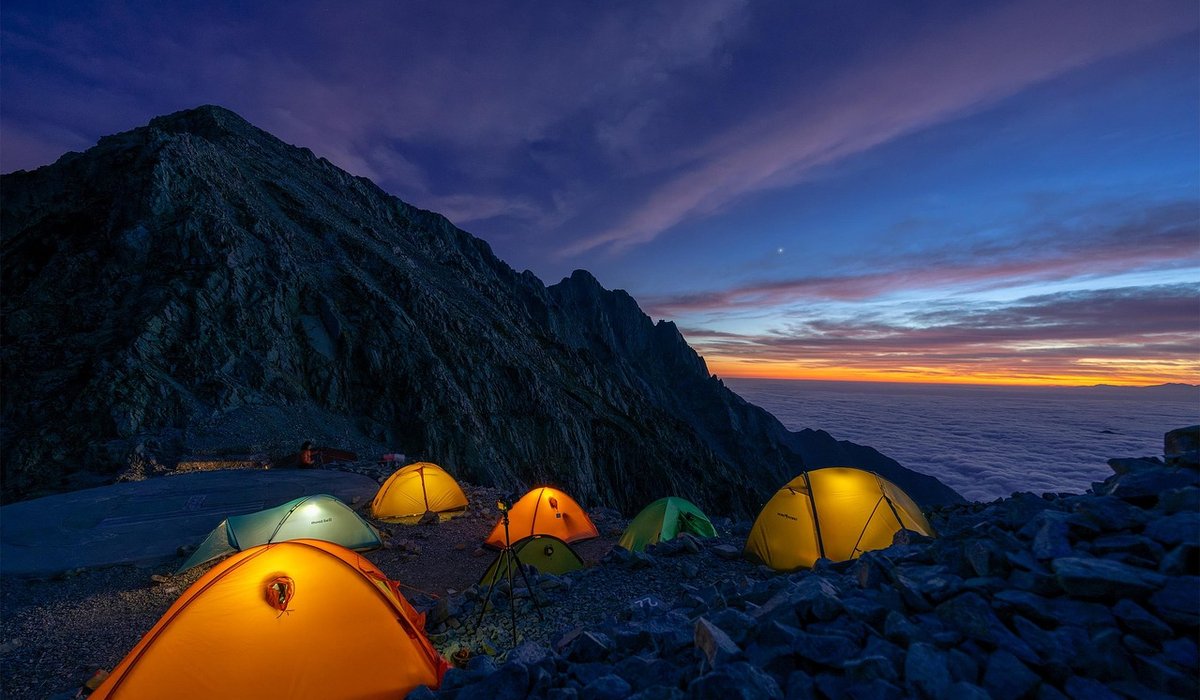
A weekend bothy trip is a masterclass in doing more with less. You are carrying everything you need over rough ground, often in wind and rain, and then sleeping in a stone building with no running water, no electricity and a resident mouse population. The reward is huge: a fire, a dram, and a night in a wild place that feels wholly yours. But the difference between a joyful trip and a grunted one is usually what is in your rucksack. Pack light, pack deliberately, and share the load with your group.
Start with the pack and the weather window
For a two-night bothy trip in the UK or Scandinavia, aim for a total pack weight of 7–9kg including food and water. That is achievable without suffering. Your rucksack should be 40–50 litres, comfortable at that weight, and lined with a dry bag or heavy-duty bin liner. Everything inside goes into stuff sacks or dry bags, because bothy floors are damp and so are you.
Check the forecast obsessively in the week before. A settled high-pressure weekend in February can be easier than a wet, windy one in July. If the rivers are high or snow is lying, take the heavier gear and accept a shorter route. Pack for the conditions you will actually meet, not the ones in your imagination.
Scandinavian trips add a few variables. In Norway and Sweden, you may be walking on marked trails or pathless ground, and huts can be unlocked but unmanned. Take a little cash for honesty boxes, and check whether wood, gas or candles are provided. In the UK, bothies are free but rely on goodwill: leave them cleaner than you found them.
Sleeping gear: warm, light and dry
This is where weight matters most. A down sleeping bag rated to around -5°C is plenty for most three-season bothy trips, and it will weigh under 1kg. Synthetic bags are heavier but cope better with damp. Whichever you choose, keep it in a waterproof stuff sack.
Your sleeping mat matters as much as the bag. A full-length inflatable mat with an R-value of 3 or more will keep you warm from the ground, and it packs small. Closed-cell foam is bombproof but bulky; some walkers take a short foam mat as a backup and sit pad.
- Sleeping bag: down or synthetic, rated to -5°C, in a dry bag.
- Mat: inflatable, R-value 3+, plus a repair patch.
- Pillow: a stuff sack filled with your spare fleece.
- Earplugs: for mice, snorers and early-rising friends.
- Emergency shelter: a bothy bag or group shelter, even if you plan to sleep indoors.
Some bothies have sleeping platforms; others have bare floors. A thin sit mat or a piece of foam makes a surprising difference. If mice are active, hang your food bag from a beam or put it in a hard-sided container.
Clothing: layers for damp cold
You do not need a new outfit for each day. One set of walking clothes and one set of dry bothy clothes is the classic approach. The walking clothes will get wet; the bothy clothes stay in a dry bag until you arrive.
- Base layer: merino or synthetic, one spare.
- Mid layer: fleece or light synthetic jacket.
- Insulation: lightweight down or synthetic jacket for evenings.
- Shell: waterproof jacket and trousers, taped seams, hood.
- Legwear: quick-drying walking trousers, not jeans.
- Feet: waterproof boots or trail shoes, plus two pairs of socks and a dry pair for the bothy.
- Extremities: hat, gloves, buff, and lightweight camp shoes such as sandals or trainers.
In Scandinavia, add a mosquito head net and midge repellent in summer, and a warmer insulation layer in spring and autumn. In Scotland, assume midges will find you. A light windproof layer is worth more than a heavy spare jumper.
Food and drink: calories without the carry
Food is often the heaviest thing in the pack. For two nights, you need roughly 2,500–3,000 calories per day, but you can carry less by choosing energy-dense foods and eating a big meal before you leave. Aim for 600–800g of food per day, excluding water.
Breakfast: porridge oats with dried milk, nuts and raisins. Lunch: oatcakes, cheese, salami, and a flask of soup. Dinner: dehydrated meals, couscous with chorizo, or noodles with peanut butter and chilli. Snacks: nuts, chocolate, flapjack, dried fruit.
- Stove and fuel: one small gas or alcohol stove per two or three people.
- Pot and spork: one pot per group, one mug per person.
- Water: carry one litre, refill from streams. In Scandinavia, water is usually clean; in the UK, filter or boil if unsure.
- Treats: a small flask of whisky or a bar of dark chocolate.
- Waste: a bin bag for all rubbish, including food scraps.
Share the weight and the chores
The easiest way to pack light is to let someone else carry part of it. Before you leave, lay everything out and divide group kit fairly. One person carries the stove, another the fuel, another the first aid kit and repair tape. The bothy candle, toilet paper and spare bin bags can be split too.
Set a rule: if you have not used something on a previous trip, leave it behind. That includes the third pair of gloves, the heavy book and the full wash kit. A toothbrush, small toothpaste and a travel towel are enough. A power bank is worth its weight for a headtorch top-up, but keep it small.
Finally, check the bothy code. In the UK, bothies are maintained by volunteers and are free to use. In Scandinavia, many huts are self-service and may charge a small fee. Arrive late, leave early, and leave no trace. Pack light, walk far, and enjoy the quiet.


Leave a reply