


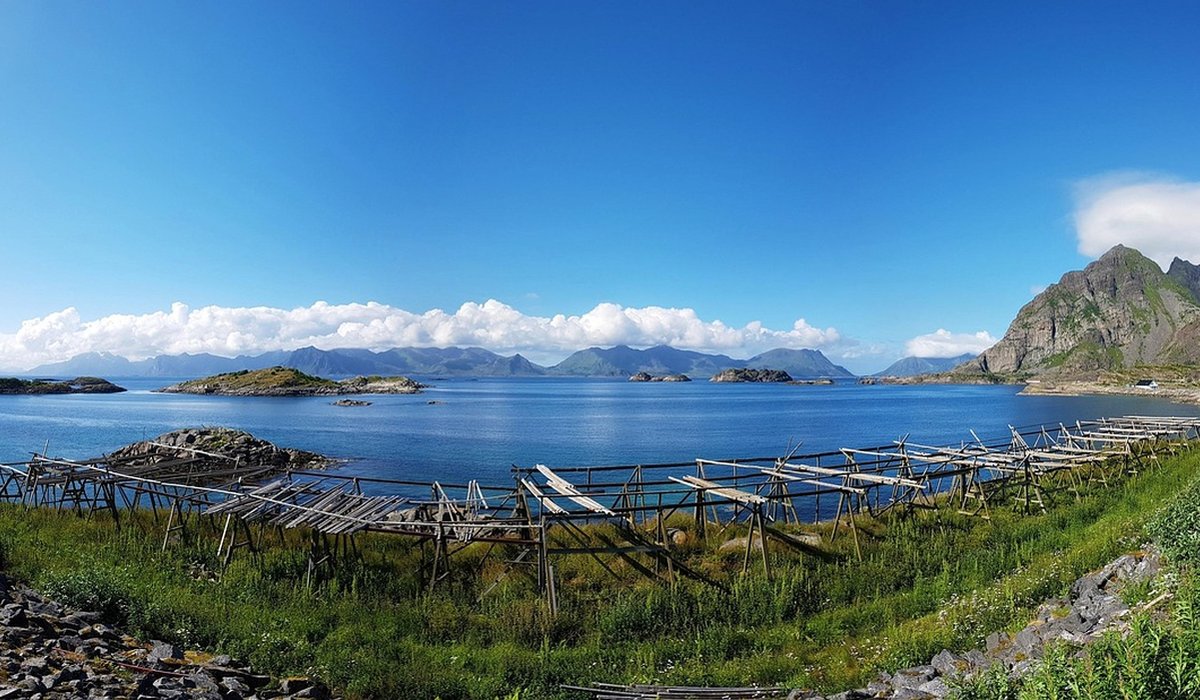
There is nothing quite like the moment a sea cliff reveals itself: the low boom of waves on rock, the smell of salt and guano, and that sudden, dizzying sense of scale. Add thousands of nesting seabirds wheeling overhead and you have one of the great wildlife spectacles of northern Europe. From the chalk stacks of Yorkshire to the basalt ledges of Iceland and the bird cliffs of Arctic Norway, here is how to enjoy these places safely and without disturbing the residents.
Why sea cliffs are so special
Sea cliffs are vertical wilderness. Because they are difficult to farm, build on or walk across, they have stayed largely wild, and seabirds have taken full advantage. Species such as guillemots, razorbills, kittiwakes and fulmars nest in astonishing densities, often within touching distance of a coastal path. In the UK you can see these colonies from Cornwall to Shetland; across Scandinavia, the biggest gatherings are found in Iceland, the Faroes and along the Norwegian coast.
Cliff-nesting birds are long-lived and slow to breed. A puffin may not raise its first chick until it is five or six years old, and it will return to the same burrow year after year. That is why a single careless visit, or an off-lead dog, can do real damage to a colony that took decades to establish.
Cliff safety comes first
Cliff edges are more fragile than they look. Sea spray, frost and burrowing puffins all weaken the turf, and undercut sections can collapse without warning. Stay at least a few metres back from any edge, and further back after rain. Never rely on a fence or a rocky lip as a barrier.
- Walk on established paths. Shortcuts across grassland crush burrows and erode the very edge you are standing on.
- Keep dogs on a short lead near cliffs and colonies, especially between April and July.
- Watch the weather. Coastal paths get very slippery, and strong onshore winds can make exposed sections dangerous.
- Tell someone your route and carry a paper map; phone signal on remote cliffs is unreliable.
- If in doubt, sit down. It is the quickest way to regain stability on loose ground.
Children and cliffs are a demanding combination. Keep them close, agree a clear boundary in advance, and never let anyone lie down to peer over an edge for a photo.
Responsible wildlife watching
The rule of thumb is simple: if a bird changes its behaviour because of you, you are too close. Nesting birds are already under pressure, and disturbance can cause adults to leave eggs or chicks exposed to gulls, crows and the cold.
- Use binoculars or a scope rather than your feet. You will see far more detail from a distance anyway.
- Keep noise to a minimum and avoid sudden movements or bright clothing at close range.
- Give birds a wide berth on the path, and never block a nest ledge or burrow entrance.
- Leave no trace: take all litter home, and never feed gulls, which quickly become aggressive and predate other birds' chicks.
- Skip drones. They are distressing to wildlife and are restricted or banned at many reserves.
Spotting puffins and gannets
Puffins are the crowd-pleasers, and the good news is that they are reasonably easy to find if you know what to look for. They favour grassy slopes above the sea where they dig burrows, and they usually arrive in late spring. Look for low, whirring flight, orange feet and that unmistakable striped bill. Early morning and evening are the best times, when birds raft on the water before heading to their burrows.
Gannets are the other great cliff spectacle, and they are far larger, with a two-metre wingspan and a creamy white body tipped with black. You will often hear them before you see them: a harsh, guttural grrr from the colony. Watch for their dramatic plunge-dives, folding into a spear shape and hitting the water at speeds that would knock a human senseless. The UK holds a huge share of the world's northern gannets, and the bass rock colonies are among the most impressive sights in Europe.
Guillemots, razorbills, shags, kittiwakes and fulmars round out the cast. A small scope and a little patience will reward you handsomely.
Where to go in the UK and Scandinavia
Britain and Ireland punch far above their weight for cliff scenery. Highlights include the chalk cliffs of Flamborough Head and Bempton in Yorkshire, the dramatic Pembrokeshire coast, the Isles of Scilly, the Farne Islands off Northumberland, and the tremendous seabird cities of Shetland and Orkney. In Scotland, St Kilda offers a haunting, weather-beaten taste of the Atlantic edge.
In Scandinavia, head for Iceland's Látrabjarg and the Westfjords, the bird cliffs of the Faroe Islands, and the Norwegian coast around Runde and the Lofoten islands. Sweden's Koster Islands and Denmark's Bornholm also offer excellent coastal walking with seabirds. All of these places reward slow travel and an early start.
Making the most of your day
Sea cliffs ask for a little planning. Check tide times, wear sturdy boots with proper grip, and pack waterproofs, water and a warm layer, even in summer; coastal weather changes fast. Bring binoculars, a flask and a small first-aid kit. Walk quietly, stop often, and let the birds come to you.
Seen well, a seabird colony is a privilege to witness: noisy, chaotic, beautiful, and utterly wild. Look after it, and it will be there for the next generation to gasp at too.


Leave a reply