


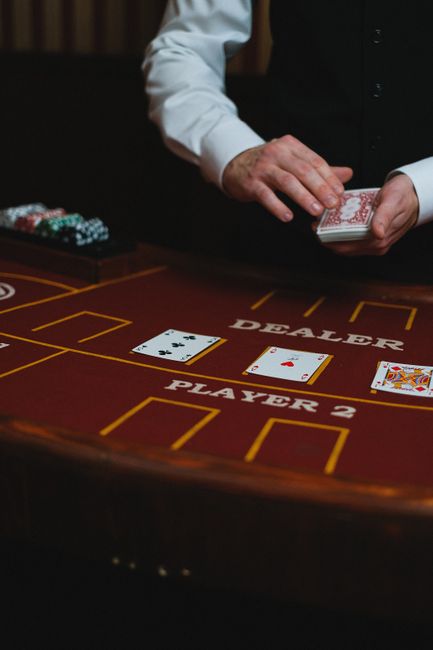
You’re staring at a 5-reel slot, the reels spinning with a hypnotic rhythm. Your bankroll is dwindling, but you’re convinced the next spin will trigger the bonus. Meanwhile, a poker player across the table just bluffed you out of a pot with 7-2 offsuit. And somewhere, a sports bettor is sweating a last-second three-pointer that could cash a parlay. Welcome to the iGaming universe—a world of chance, skill, and psychology. Whether you’re a casual player or a seasoned grinder, the difference between frustration and profit often comes down to understanding the mechanics behind the games. Let’s cut through the noise and talk strategy.
Slots: More Than Just Pulling a Lever
Modern slots are marvels of engineering, but they’re also designed to part you from your money. The key is to find games where the math works in your favor—or at least doesn’t crush you. The return to player (RTP) percentage is your first clue. A game with 96% RTP returns $96 for every $100 wagered over the long run. But that’s an average, not a guarantee. volatility matters more for your session: high-volatility slots like Book of Dead can pay massive sums but may eat your balance before a bonus hits. Low-volatility games like Starburst offer frequent small wins, ideal for stretching a bankroll. Always check the paytable—some slots have jackpots that require max bet, while others have bonus features that trigger more often at lower stakes.
Here’s a concrete tip: set a loss limit and a win goal before you spin. If you’re up 50% on your starting balance, cash out. The house edge doesn’t sleep. And never chase losses—that’s how a fun session turns into a mortgage payment. Also, look for slots with expanding wilds or sticky multipliers; they increase your expected value per spin. For example, Money Train 2 has a maximum win of 50,000x, but its bonus frequency is low. Patience is a virtue, but so is knowing when to walk away.
Poker: The Skill Game Within the Casino
Unlike slots, poker is a game of decisions. You’re not playing against the house; you’re playing against other players. That means you can actually have an edge—if you study. Start with position. Acting last gives you information. On the button, you can play a wider range of hands because you see what everyone does before you act. Under the gun, tighten up. A common mistake for beginners is playing too many hands. In a 9-handed game, you should fold the first 30-40% of hands. Strong hands like AA, KK, QQ, and AK are your bread and butter. But don’t telegraph your strength—mix in bluffs occasionally to keep opponents guessing.
Bankroll management is non-negotiable. If you’re playing $1/$2 no-limit hold’em, you need at least 20 buy-ins ($4,000) to withstand variance. Otherwise, a bad run will wipe you out. And pay attention to bet sizing. A half-pot bet on the flop is standard, but a 2/3-pot bet applies more pressure. In tournaments, understand ICM (Independent Chip Model)—near the bubble, survival is worth more than chip accumulation. For cash games, track your stats: VPIP (voluntarily put money in pot), PFR (pre-flop raise), and 3-bet percentage. If your VPIP is above 30%, you’re playing too loose. Aim for 20-25% in full-ring games.
Quick Poker Checklist
- Play tight from early position, loosen up on the button.
- Never limp—raise or fold.
- Observe opponents: who bluffs too much? Who only bets with the nuts?
- Take breaks. Tilt is the enemy of profit.
Sports Betting: Where Data Meets Gut Feeling
Sports betting isn’t just about picking winners. It’s about finding value—when the odds imply a lower probability than you believe. For instance, if a team has a 40% chance to win but the moneyline is +200 (implied 33.3%), that’s a value bet. The best bettors specialize. Don’t bet on every game. Focus on one or two leagues where you have deep knowledge. Do you follow the NBA closely? Then ignore the Premier League. Line movement is your friend: if a line opens at -3 and moves to -5, sharp money is on the favorite. Public money often inflates lines, creating opportunities on the other side.
Bankroll rules apply here too. Use flat betting—1-2% of your bankroll per wager—or a proportional system. Avoid parlays unless you’re chasing a lottery-style payout; they have a higher house edge. And don’t forget about prop bets. Player props like "LeBron James over 25.5 points" can be softer because oddsmakers focus on moneylines and spreads. But always shop for the best odds. A half-point difference in a spread can turn a loss into a push. Finally, track every bet. A simple spreadsheet with date, event, stake, odds, and result will reveal your strengths and leaks. For practical tips, check out soikeonhacai.ae.org.
Bankroll Management: The Glue That Holds It All
You can be the best poker player or slot strategist, but without bankroll management, you’ll bust. The principle is simple: never bet more than you can afford to lose. But it goes deeper. Separate your iGaming bankroll from your life savings. Set a monthly deposit limit. If you deposit $500, that’s your cap. No reloading. For slots, divide your bankroll into session chunks—say, 5 sessions of $100. For poker, 20-30 buy-ins for cash games, 50-100 for tournaments. For sports betting, 1-2% per bet. And if you hit a downswing, drop stakes. Move from $1/$2 to $0.5/$1. Discipline is boring, but it keeps you in the game.
Common Bankroll Pitfalls
- Chasing losses with bigger bets.
- Playing at stakes too high for your roll.
- Not adjusting after a losing streak.
- Mixing bankrolls between casino, poker, and sports betting.
The Psychology of iGaming: Tilt, Tells, and Triggers
Emotions are the silent killer of profits. Tilt—frustration after a bad beat—leads to reckless decisions. In poker, you might start calling with any two cards. In slots, you might increase bet size to "win it back." Recognize the signs: rapid clicking, anger, or a feeling of invincibility after a big win. Step away. Take a walk. The games will still be there. Also, be aware of cognitive biases: the gambler’s fallacy (believing a slot is "due" for a bonus) or the hot-hand fallacy (thinking a player can’t miss). Random events have no memory. And if you’re playing live poker, watch for physical tells—but online, focus on timing and bet sizing. A player who tanks then checks likely has a marginal hand.
Finally, iGaming should be entertainment. If it stops being fun, stop. Set time limits. Use responsible gambling tools like deposit limits, self-exclusion, and reality checks. The house always has an edge in casino games, but in poker and sports betting, you can be the house if you’re disciplined. The edge is small, so every decision counts. Whether you’re spinning reels or bluffing rivers, treat it like a business, not a lottery. That’s the difference between a hobby and a hemorrhage.


Leave a reply